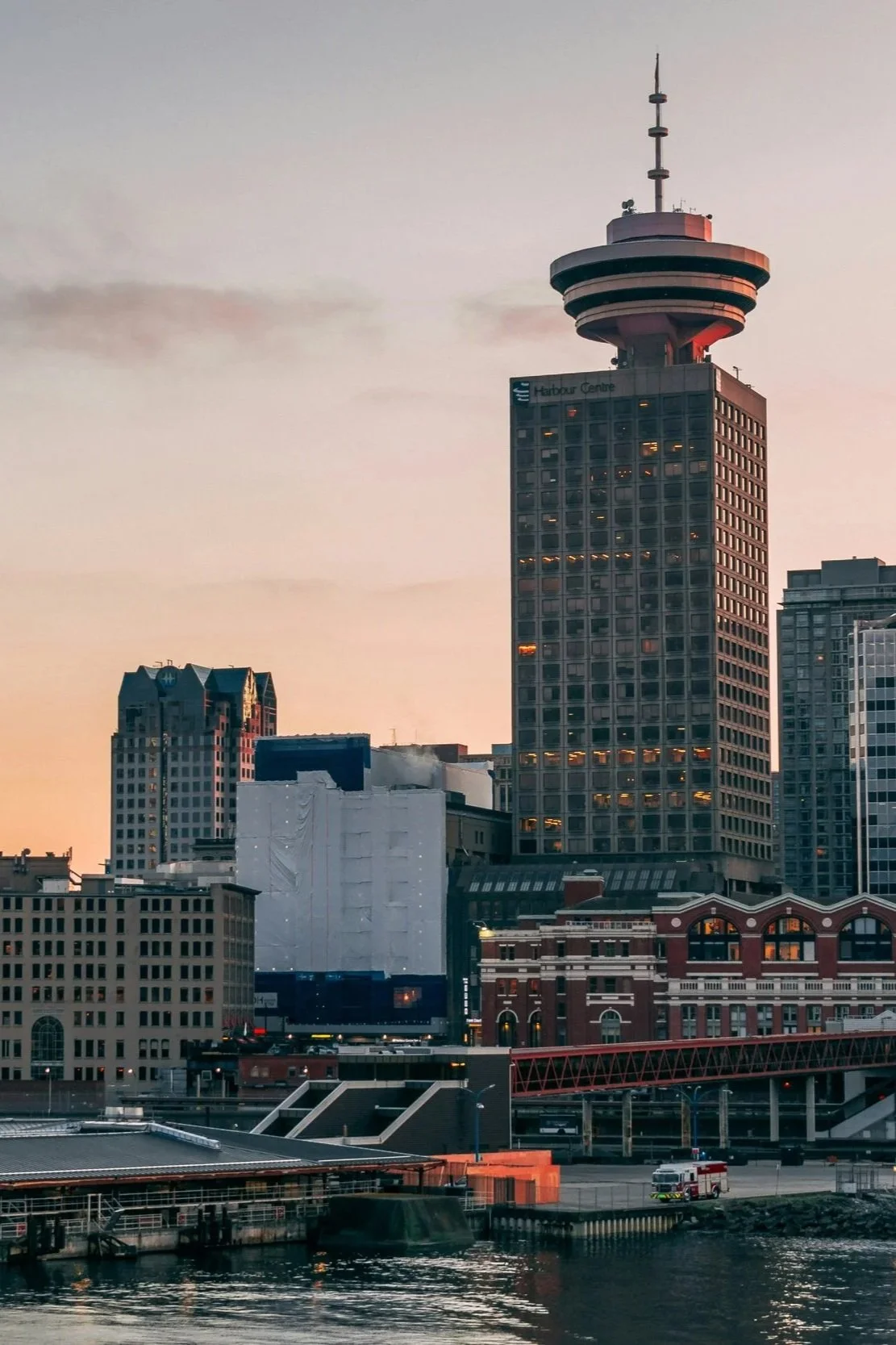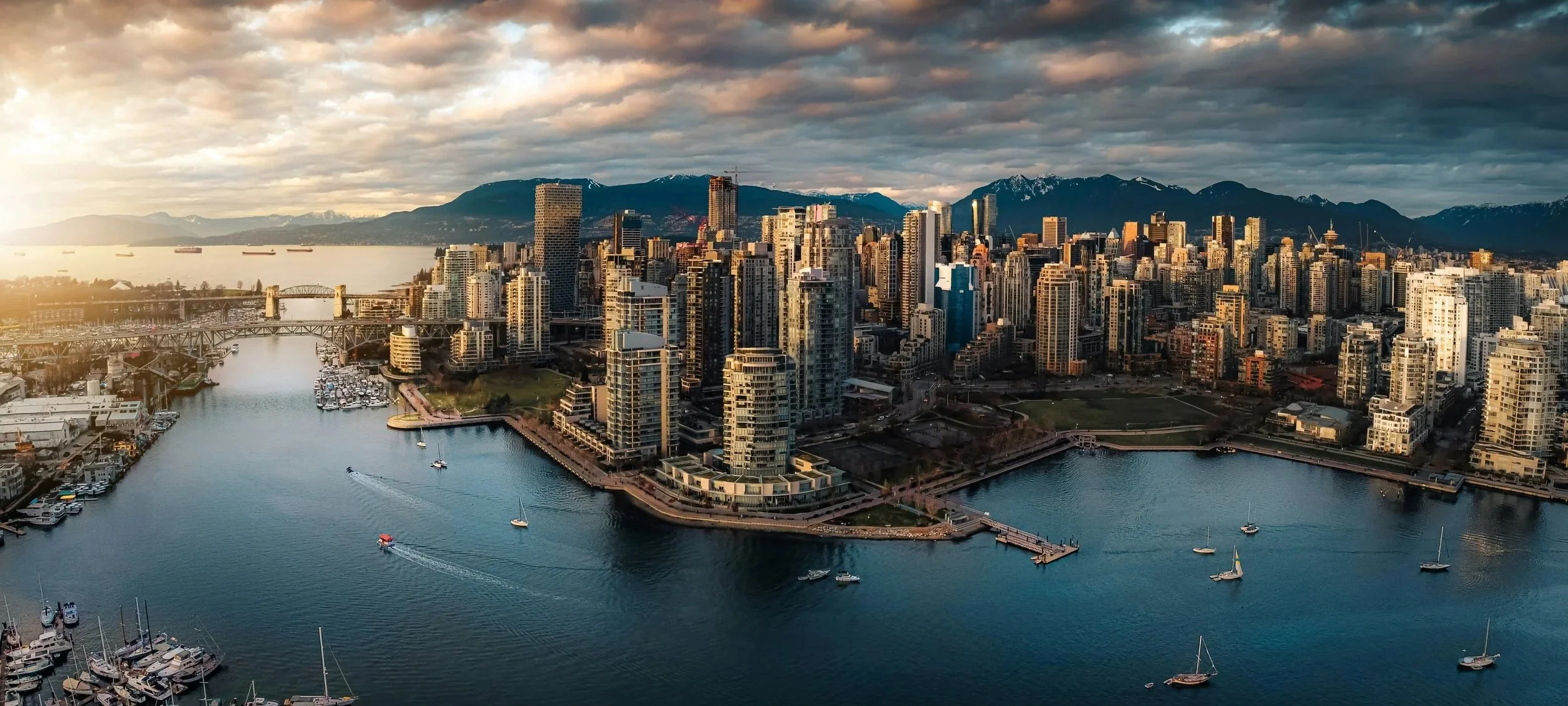
Calling those who are far from God to become those who are sent by God.
In order to reach those who are far from God in the most secular major city in North America, we need an ethos that is contextualized to the city, a timeline that maps out a strategic and realistic pace, and a funding plan that establishes long-term financial viability.
Ethos
Timeline
Funding
Ethos
Vancouver is spiritual and lonely.
We envision a church marked by the Spirit and the Table.
The Spirit

Vancouver is known as a home for those who are “spiritual but not religious.” 74% of British Columbia residents consider themselves slightly, moderately, or very spiritual.[1] Any missional strategy in the city must confront the fact that many Vancouverites are spiritually experimental.
In light of this, our hope is to be a community that
a) pursues God sacrificially, and
b) helps people encounter Jesus Christ through ancient Christian practices like prayer, Scripture reading, fasting, service, silence and solitude, generosity, etc.
We long for the day where we become a church that “prays without ceasing” (1 Thessalonians 5:17). We aren’t convinced that new programs and shiny strategies are enough. We believe that Vancouver cannot be renewed apart from the Spirit of God.
[1] Bramadat, Paul, Patricia O'Connell Killen, and Sarah Wilkins-Laflamme, editors. Religion at the Edge: Nature, Spirituality, and Secularity in the Pacific Northwest. University of British Columbia Press, 2022.
The Table

The Table was one of the dominant images of the early church. It was at the Table that the early Christians broke boundaries, gathering across socioeconomic divides. It was at the Table that the family of God consistently remembered Jesus’ death on the cross. And it was at the Table that Jesus continually ministered to those around him.
The vast majority of Vancouver claims no religious affiliation, does not attend a church, and faces persistent loneliness. A 2012 survey found that loneliness was the number one issue confronting community leaders in the city.[1] Our missional practice, then, must involve radical hospitality.
We hope to raise up a movement of Spirit-empowered leaders who gather around the Table with those who are far from God. If we can generate a rhythm where those who are far from God become those who are sent by God, we can create a cycle that may, in fact, contend for 100 years of renewal.
[1] “Connections and Engagement: A survey of metro Vancouver” (Vancouver Foundation, June 2012), https://www.vancouverfoundation.ca/sites/default/files/documents/VanFdn-SurveyResults-Report.pdf, accessed July 7, 2026, which discovered that loneliness, not poverty or homelessness, was Vancouver’s greatest concern.
Timeline
Phase Zero: Pre-Move
(present—early 2027)
Prior to moving into Vancouver, we must be prepared spiritually, relationally, structurally, and financially.
-
Anchoring everything in the power and presence of God right from the inception of the church.
-
Ensuring the long-term financial viability of a church planted in one of the most expensive cities in the world.
-
Cultivating a group of partner individuals and organizations; building a Core Team.
Phase One: Ministry Development
(months 0—6)
Upon moving into the heart of the city, we must focus on cultivating transformative relationships with our neighbours and forming our Core Team to become Spirit-empowered, missional leaders.
-
Crafting communal rhythms of sacrificial prayer and missional hospitality; capturing these in a team covenant.
-
Developing intentional relationships within our neighbourhood; partnering with local organizations to serve the city.
-
Forming a group of like-minded leaders who share a heart for long-term renewal in and through Vancouver.
Phase Two: Pre-Launch
(months 6—12)
As we near launch, we must ensure that our systems are designed for patient, long-term renewal, not simply the fireworks of a new experience.
-
Hosting regular times of prayer, worship, and vision.
-
Prioritizing our missional focus so that we—even before launch—already see those who are far from God becoming those who are sent by God.
-
Preparing leaders and ministries for key launch initiatives (worship, kids, production, Table Groups, prayer, and mission).
Phase Three: Launch
(early to mid-2028)
Having launched services, we must relentlessly maintain our commitment to the Spirit and the Table, avoiding the temptation to celebrate programmatic excellence more than prayerful mission.
-
Calling our church into the sacrificial pursuit of God; establishing this as a congregation-wide expectation.
-
Resourcing and equipping everybody for neighbourhood mission and citywide renewal.
-
Creating a pipeline of leadership development, ensuring ongoing renewal in a city known for its transience.
Phase Four: Movement
(2033 and beyond)
With financial independence reached, we must begin the transition from an individual church plant to a movement of gospel renewal that stretches for 100 years.
-
Grounding citywide renewal in prayer renewal through broader prayer initiatives and partnerships (e.g. conferences, classes, interchurch worship and prayer gatherings, etc.).
-
Grounding citywide renewal in prayer renewal; pushing ourselves to become a church that prays without ceasing.
-
Investing people, time, and finances into the multiplication of churches and leaders to seek renewal in Vancouver and across Western Canada.
Funding
In order to contend for 100 years of renewal in one of the most expensive cities in the world, we have built a plan that sets us up for both long-term renewal and financial viability. Our church plant will have three financial sources: external recurring giving, a one-time launch fund, and local giving.
Recurring Giving: $120,000/year
Monthly or annual gifts that provide a predictable financial base for the church prior to financial independence (~2033.)
Launch & Transition Fund: $350,000
One-time gifts that provide the necessary runway to absorb the gap between ministry expenses and local/external giving.
Local Giving: 100% of budget by 2033
Sample growth rate:
Year One (2028): 20% of annual budget
Year Two (2029): 36% of annual budget
Year Three (2030): 52% of annual budget
Year Four (2031): 68% of annual budget
Year Five (2032): 84% of annual budget
Year Six (2033): 100% of annual budget